
Meet Your Guide to Personal Growth
Bringing organizational psychology to life.
My Coaching Philosophy
Life can feel like a river pushing us from one direction to the next. The truth is: we can build the skills to understand why the river flows the way it does, and with them gain the power to decide when to embrace the flow, redirect it, or swim upstream.
Throughout my career, I’ve studied the factors that influence human experience at work. Combining my knowledge and your own wisdom, we can uncover the hidden influences in your life so that your next step is intentional, grounded, and strategic.

My background is human psychology, and my passion is personal growth.

What I Learned From My Own Career
Formalized learning is a foundation on which we’re meant to build.
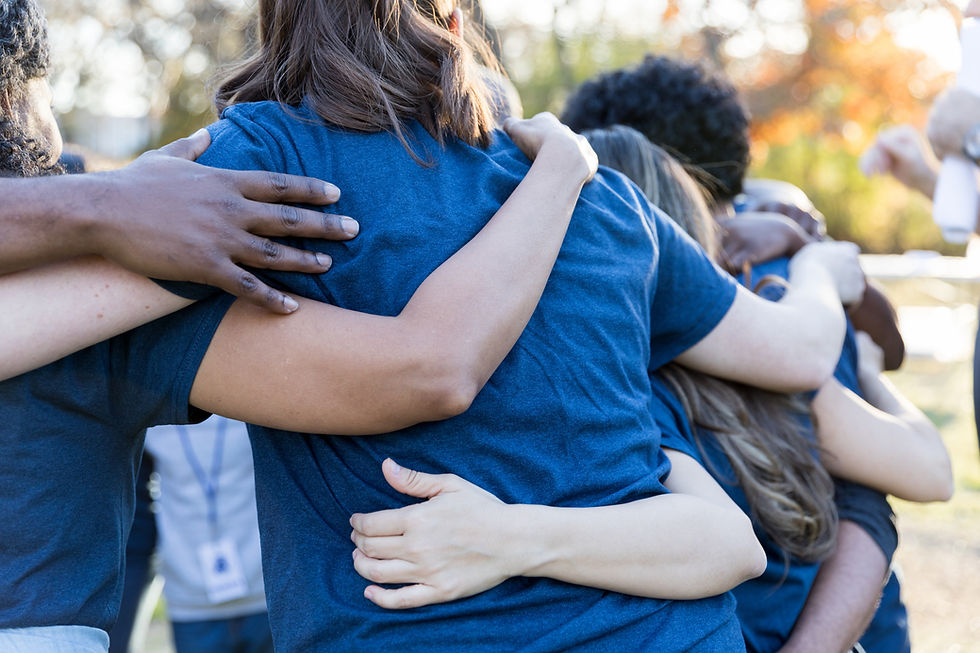
During my time as a student worker at Louisiana State University, I facilitated partnerships as part of the university’s Center for Community Engagement, Learning, and Leadership. I saw firsthand how volunteering in the local community provided an intentional space for students to learn new skills, experience diverse perspectives, and investigate career paths they might not have considered otherwise. Service-learning provided a sandbox for students to transform their classroom knowledge into practice and accelerate their professional growth through exploration. Fast forward to today, and I realize I was learning a fundamental truth: formal education is valuable, but it's just a foundation. The rest of our careers are the sandbox in which we continue to explore.
All of the skills we gain along the way are transferable.
After leaving LSU with a degree in psychology, I took that service-learning experience a step further. I spent a year in AmeriCorps’ National Civilian Community Corps, where I traveled the country with a team of twelve young adults in support of a wide range of projects, from disaster relief to education to community development and land preservation. I haven't gone a day since then without relying on the skills I learned during that time.
Redirecting to what's right for you can still feel like a stall.
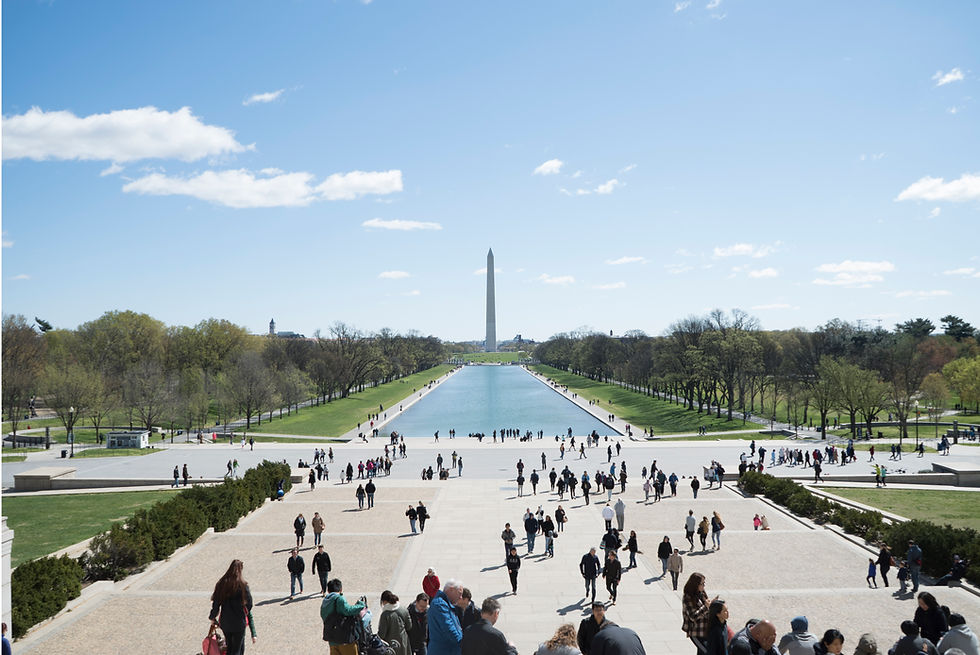
I experienced such a wide range of ways to “get things done” (AmeriCorps pledge) that I began to wonder how I could dedicate my career to improving the way humans get things done together. A friend who was pursuing her Master’s degree in Industrial/Organizational Psychology pointed out that some of the most impactful human collaboration occurs in… well, industry and organizations. And there it was – my next step. I moved to Fairfax, Virginia, right outside of Washington D.C., to pursue my I/O degree at George Mason University.
During my time working in the D.C. area, I learned (and re-learned) that there was no such thing as having “made it.” I thought for sure that because I’d found a career that fit so well with the problems I’d always wanted to solve, I would be able to coast. My learning was complete. The solutions would come to me. Every next step I needed to take in my life would be clear. Right?
Of course not.
After landing my first job out of graduate school, I had a hard time grappling with what I thought was success. The work environment was incompatible with my personal goals and values, and it was slowly crushing me. One pandemic later, and I was deep in my first experience with burnout. I desperately needed to redirect, but I didn’t know where to start. And, to be honest, needing to at all felt like a failure.
Then, I met my coach. I had no idea what she could do for me, what to ask for or what to expect, but I understood that I needed to move toward a life that aligned better with who I wanted to be. My coach explained that she could help me break down my next steps, and what followed was life changing.
I’d already had enough of the heat. It was time to find a more appropriate kitchen.
The first step in making this possible was finding a job that fit what I needed from work more than what I’d once assumed would make me feel successful.
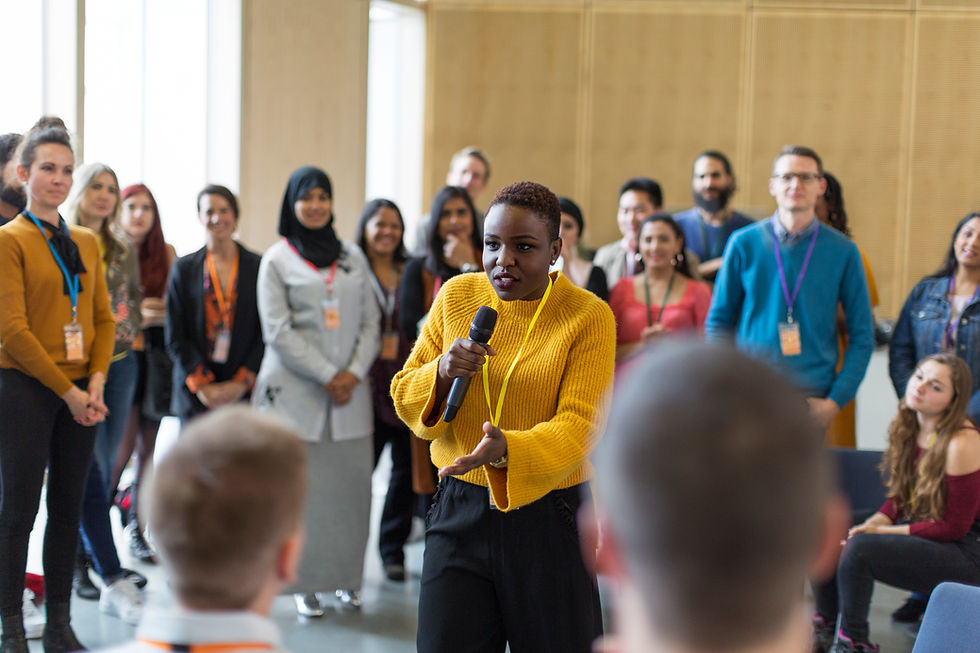
My coach encouraged me to consider not just the job itself but the flexibility it would provide me to express both my scientific and creative sides. I'll be the first to admit I got wildly lucky, stumbling through this process into my dream role at the Center for Creative Leadership. Without the effort I made to redirect, I never would have landed in a role where it feels like my energy and effort compounds, rather than implodes.
We all create the world we want to live in.
Ten years ago, the young woman who joined AmeriCorps was also anxiously watching the 2016 presidential election cycle unfold, and she struggled to find ways her voice and actions would make a difference. Even now, I spend a lot of time grappling with my own agency and helping people understand theirs. I’ve learned from my mentors, supporters, and friends that everything we do is a step in the direction of a world we’re all actively creating.
My motivation in each coaching encounter is to connect my clients to ideas, resources, and support systems that provide clarity on their own ability to make change, whether it's personal or societal. I engage in continuous learning and pursue opportunities to steep myself in knowledge from communities that go beyond my area of expertise. A favorite of mine right now is the Doughnut Economics Action Lab.
But the key to change isn’t just knowledge; it’s motivation. Through our work together, we’ll form long-term habits that support the psychological resources you need to continue reaching for your goals, especially when it seems like the world is burning down around you. We do this work together in the hopes that one day, through our collective efforts as humans, it won’t be anymore.
Your energy goes further when it's aligned with who you are.
Coaching forced me to reacquaint myself with the things I care about the most, whether I was able to make them part of my work or I needed to hold stronger boundaries so they fit into my life.
